
Seahawks Controlled Super Bowl LX: Kenneth Walker III MVP in 29-13 Win Over Patriots
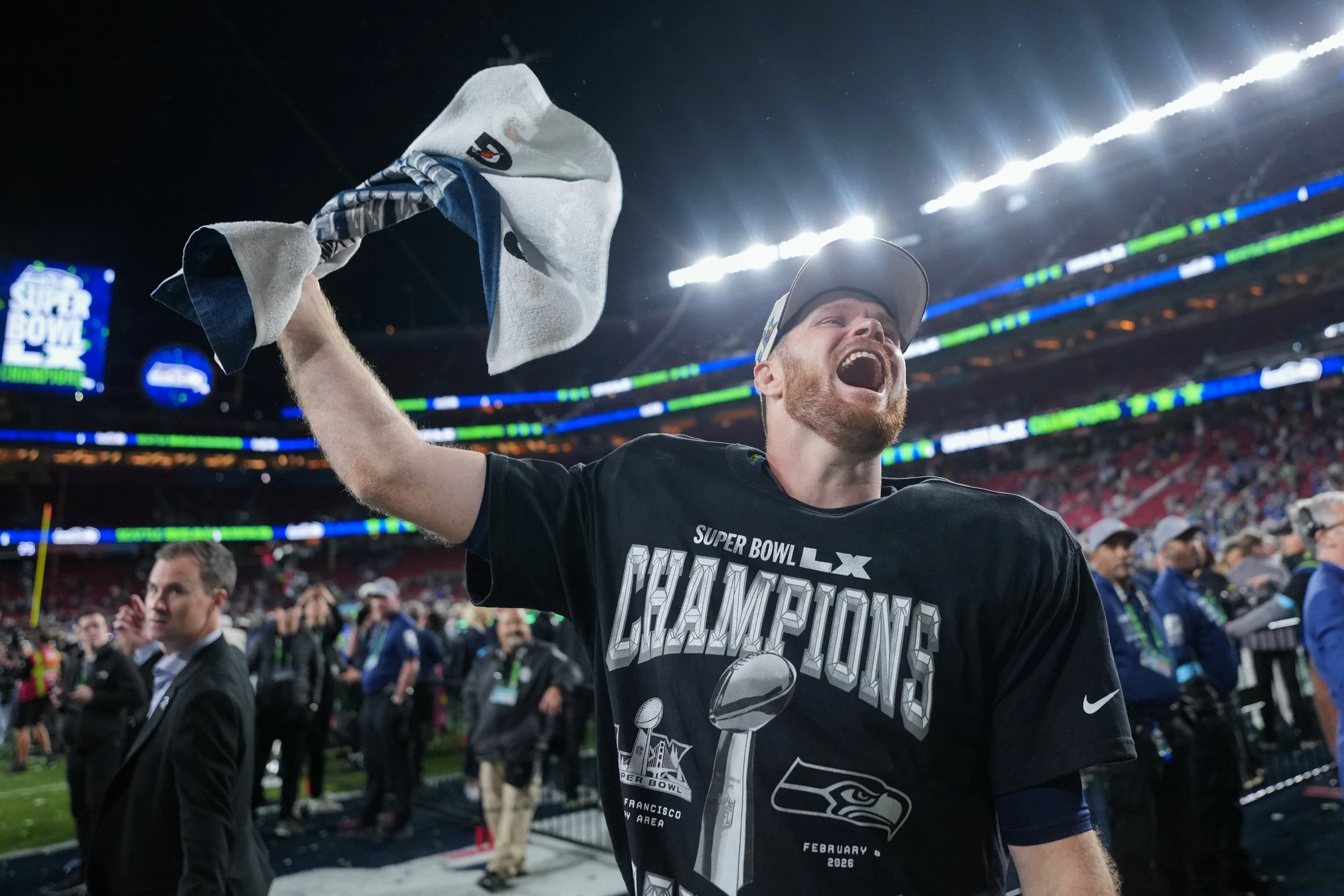
The Seattle Seahawks captured their second Super Bowl championship in franchise history with a commanding 29-13 victory over the New England Patriots at Levi's Stadium, delivering a defensive masterclass that showcased why they were the superior team throughout the 2025 season and exacting revenge for their heartbreaking Super Bowl XLIX loss to the same franchise.
The Seahawks Were Built to Win
While the Patriots rode a wave of momentum following the injury to Denver Broncos quarterback Bo Nix in the AFC Championship Game, the Seahawks entered Super Bowl LX as the more complete team. Seattle's 17-3 record spoke to their dominance, and their performance on football's biggest stage proved they were no fluke.
The Patriots benefited from extraordinary circumstances in their playoff run. When Nix fractured his ankle in the final moments of Denver's divisional round victory over Buffalo, it opened the door for New England to advance past backup quarterback Jarrett Stidham in a defensive struggle. The Patriots won that snow-covered AFC Championship Game 10-7, managing just 32 yards in the second half and recording only one first down after halftime.
Second-year quarterback Drake Maye showed flashes during the regular season, but against Seattle's elite defense, he appeared overmatched. The Seahawks sacked Maye six times and forced three turnovers, exposing the limitations of a Patriots team that, despite coach Mike Vrabel's impressive first-year turnaround, was not yet ready to compete for championships against truly elite competition.
Kenneth Walker III: A Historic MVP Performance
Kenneth Walker III became the first running back to win Super Bowl MVP honors since Denver's Terrell Davis in 1998, rushing for 135 yards on 27 carries while adding 26 receiving yards. His 161 total yards set the tone for Seattle's offensive attack and provided the spark that kept New England's defense honest throughout the contest.
Walker's regular season statistics tell only part of his story. He finished with 1,027 rushing yards and five touchdowns while sharing carries with Zach Charbonnet through most of the year. But when Charbonnet suffered a torn ACL in the divisional round against San Francisco, Walker elevated his game to championship levels.
In three playoff games, Walker was unstoppable. He rushed for 116 yards and three touchdowns in the divisional victory over the 49ers, added 111 yards and a touchdown in the NFC Championship against the Rams, and saved his best performance for the Super Bowl. His 94 rushing yards in the first half were the second-most in Super Bowl history, trailing only Timmy Smith's 131 in Super Bowl XXII.
The fourth-year back became the first player in Super Bowl history to record two runs of at least 20 yards on a single drive when he ripped off consecutive carries of 29 and 30 yards in the second quarter. Those explosive plays forced the Patriots to respect Seattle's ground game, opening opportunities for the play-action passing game throughout the night.
Walker's path to MVP was far from guaranteed. He entered the game with the longest odds of any player to win the award since Julian Edelman in Super Bowl LIII. But his relentless running style and ability to break tackles wore down a Patriots defense that had no answers for his combination of power and speed.
The victory came at a perfect time for Walker, who is set to enter free agency this offseason. His Super Bowl MVP performance significantly boosted his market value and cemented his status as one of the league's premier running backs.
Mike Macdonald: The Defensive Mastermind
At 38 years old, Mike Macdonald became the third-youngest head coach to win a Super Bowl, joining Sean McVay and Mike Tomlin in that exclusive club. More significantly, he became the first head coach to win a championship while serving as his team's primary defensive playcaller.
Macdonald's defensive gameplan was nothing short of brilliant. The Seahawks utilized cover-six defense at a 45 percent rate, 10 percent above their previous season high. They disguised coverages, sent timely blitzes from unexpected angles, and consistently pressured Maye into uncomfortable situations.
The Seahawks held the Patriots scoreless through three quarters, surrendering their first points only when Mack Hollins caught a 35-yard touchdown with 12:27 remaining. By then, Seattle led 19-0, and the game was effectively decided.
Macdonald's rise has been meteoric. Just 12 years ago, he was a graduate assistant at Georgia who nearly abandoned coaching for a career in finance. After receiving a job offer from accounting firm KPMG, Macdonald was warned he would never be welcomed back if he declined. His father urged him to take the safe corporate path. But former Ravens special teams coordinator Jerry Rosburg offered him a coaching internship, and Macdonald chose his passion over financial security.
That decision led to eight years with the Baltimore Ravens, where he became the youngest defensive coordinator in NFL history at age 34. He spent one season at Michigan before returning to Baltimore, and his defenses consistently ranked among the league's best. When Seattle hired him in January 2024 to replace Pete Carroll, Macdonald was the youngest head coach in the NFL.
His first season ended with a 10-7 record and a missed playoff berth, but Macdonald made bold decisions in the offseason. He fired offensive coordinator Ryan Grubb despite having only one year of head coaching experience. He traded away Geno Smith and DK Metcalf. He brought in Sam Darnold at quarterback and Cooper Kupp at receiver. He hired Klint Kubiak as offensive coordinator.
Every major decision paid off. The Seahawks finished 14-3 in the regular season, earned the NFC's top seed, and now own their second Lombardi Trophy. Macdonald's ability to get maximum production from veterans like Julian Love, Ernest Jones IV, and Uchenna Nwosu demonstrated his coaching acumen. His special teams units ranked among the league's best, and the Seahawks were one of the NFL's least-penalized teams.
Sam Darnold: From Bust to Champion
Sam Darnold's journey to Super Bowl champion represents one of the NFL's greatest redemption stories. The quarterback who once admitted to "seeing ghosts" during a humiliating 33-0 loss to the Patriots in 2019 exorcised those demons with a championship ring.
Darnold set an NFL record by becoming the first quarterback to win a Super Bowl after playing for five different teams. He spent his first three seasons with the New York Jets, who drafted him third overall in 2018. After the Jets gave up on him, he spent two disappointing years in Carolina. A backup role in San Francisco helped rebuild his confidence, and a breakout 2024 season in Minnesota earned him Pro Bowl honors and a lucrative contract with Seattle.
The Seahawks signed Darnold to a three-year, $100.5 million deal, structured to allow an early exit if necessary. But Darnold rewarded Seattle's faith immediately, completing 67.7 percent of his passes for 4,048 yards and 25 touchdowns during the regular season. He secured the NFC's number one seed with a Week 18 victory over San Francisco and became just the second quarterback in NFL history to have consecutive 14-win seasons with different teams.
Critics pointed to his league-leading 20 turnovers during the regular season. But in the playoffs, Darnold was flawless in ball security. He committed zero turnovers across three postseason games while throwing for 672 yards and five touchdowns.
In Super Bowl LX, Darnold completed 19 of 38 passes for 202 yards and one touchdown. The statistics were modest, but his escapability and poise under pressure proved crucial. He dodged and spun away from the Patriots' blitz-heavy scheme multiple times, extending plays and keeping drives alive.
Those closest to Darnold say his resiliency explains his career resurrection. Quarterback coach Jordan Palmer noted that mental toughness surpasses physical toughness for quarterback development. Darnold's ability to believe in himself despite constant criticism from doubters was rooted in his parents' unwavering support.
After the game, Darnold shared an emotional moment with his family. He told his parents that their belief in him throughout his career allowed him to maintain confidence even when others called him crazy for believing in himself. That confidence, cultivated through years of adversity, allowed him to play freely and lead Seattle to a championship.
The Missed Opportunity for Mike Vrabel
Mike Vrabel came within one victory of becoming the first person to win a Super Bowl as both a player and head coach for the same franchise. He won three championships as a Patriots linebacker under Bill Belichick, catching touchdown passes in two different Super Bowls despite playing defense.
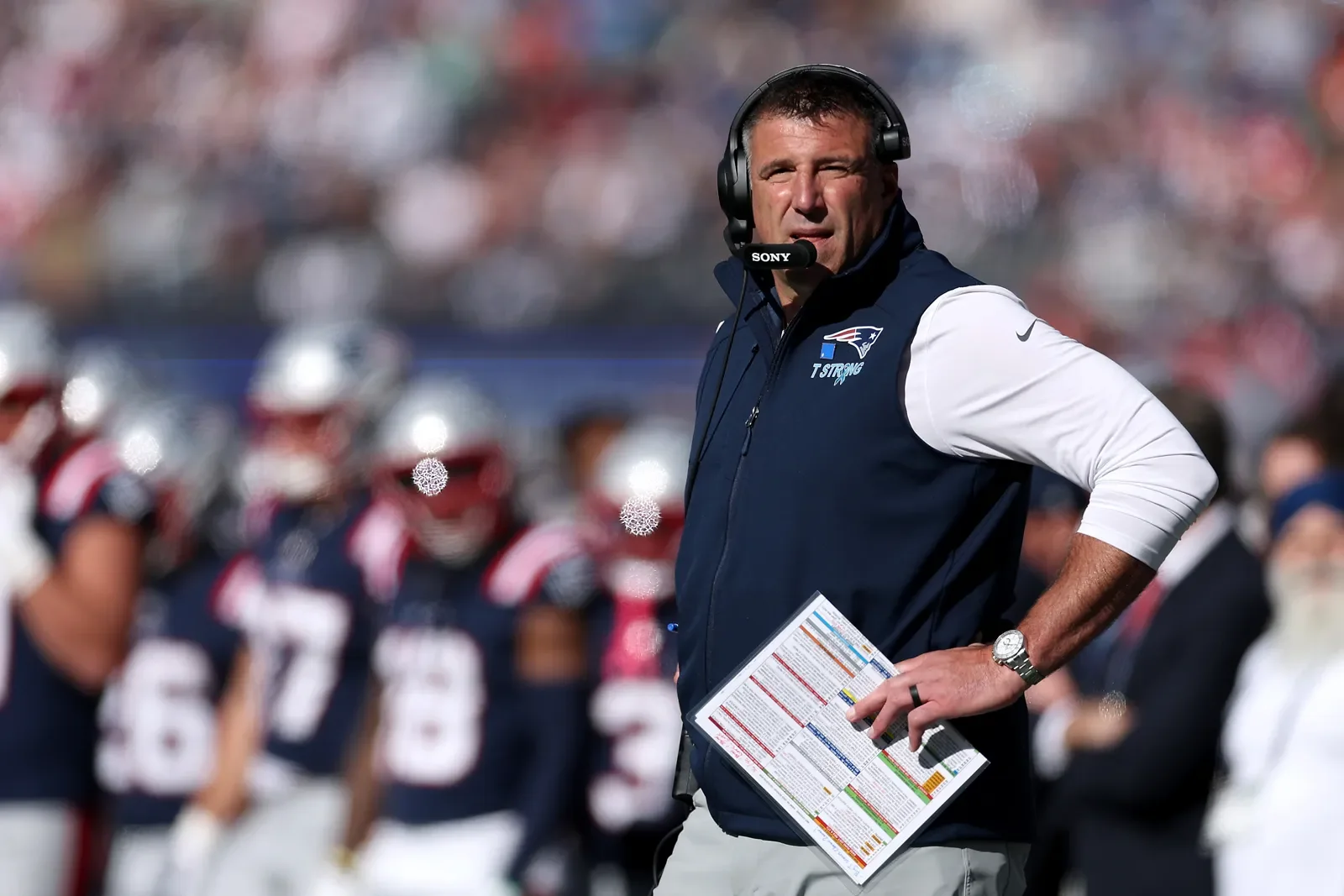
In his first season as New England's head coach, Vrabel engineered one of the most dramatic turnarounds in NFL history. The Patriots improved from 4-13 to 14-3, matching the record for the largest single-season win improvement. They won the AFC East for the first time since 2018 and advanced to the Super Bowl for the first time since that same season.
Vrabel became the eighth head coach to reach the Super Bowl in his first season and earned his second NFL Coach of the Year award. His culture-building approach resonated with players. After every game, he raced to the locker room to greet each player with a handshake or hug. He gave individualized shout-outs followed by a team "one clap" to make success a collective experience. When the Patriots became the league's best road team, he had them watch the 1979 film "The Warriors" and branded them "road warriors."
But against Seattle's dominant defense, Vrabel's Patriots could not find offensive rhythm. They managed just 331 total yards, much of it accumulated after the outcome was decided. Vrabel's defense held Seattle to a single offensive touchdown, but the Patriots' offense could not capitalize on those opportunities.
The loss does not diminish Vrabel's remarkable first season or his potential for future success. At 49 years old with extensive coaching experience and a player-first approach, he remains one of the league's premier head coaches. But the chance to make history with his former team will haunt him, especially given how dominant Seattle proved to be on both sides of the ball.
DeMarcus Lawrence: From Dallas to Glory
DeMarcus Lawrence spent 11 seasons with the Dallas Cowboys before signing a three-year, $42 million contract with Seattle in March 2025. His departure from Dallas was acrimonious. Lawrence publicly stated he knew he would not win a Super Bowl with the Cowboys, drawing criticism from former teammates and Cowboys fans who questioned his loyalty.
Lawrence called his shot and was proven right in spectacular fashion. While the Cowboys finished 7-9-1 and missed the playoffs for a second consecutive season, Lawrence won his first championship ring in his first year away from America's Team.
The veteran linebacker contributed 53 tackles and six sacks during the regular season while earning his fifth Pro Bowl selection. In Week 10 against Arizona, he returned two fumbles for touchdowns in the first half, earning NFC Defensive Player of the Week honors.
His Super Bowl performance was measured but effective, recording two tackles, a pass deflection, and a quarterback hit. More importantly, he provided veteran leadership to a defense that ranked first in the NFL in points allowed.
After the game, Lawrence took another shot at his former team. When asked about his championship, he told reporter Josina Anderson that players win championships, not logos. The comment was directed at Cowboys fans who believed their franchise's storied history would eventually translate to modern success despite organizational dysfunction.
Lawrence became the second former Cowboys star named DeMarcus to win a Super Bowl after leaving Dallas, following DeMarcus Ware's championship with Denver in 2016. For Cowboys fans watching Lawrence hoist the Lombardi Trophy, it served as a painful reminder of their franchise's inability to build championship-caliber rosters despite abundant resources.
Redemption Against the Patriots
The Seahawks' victory over New England carried extra significance as redemption for their devastating Super Bowl XLIX loss in February 2015. That game ended with Russell Wilson's goal-line interception thrown by Malcolm Butler, one of the most shocking plays in Super Bowl history.
The Seahawks were positioned to win back-to-back championships and cement a dynasty. Instead, Pete Carroll's decision to pass rather than hand the ball to Marshawn Lynch resulted in heartbreak that haunted Seattle for years.
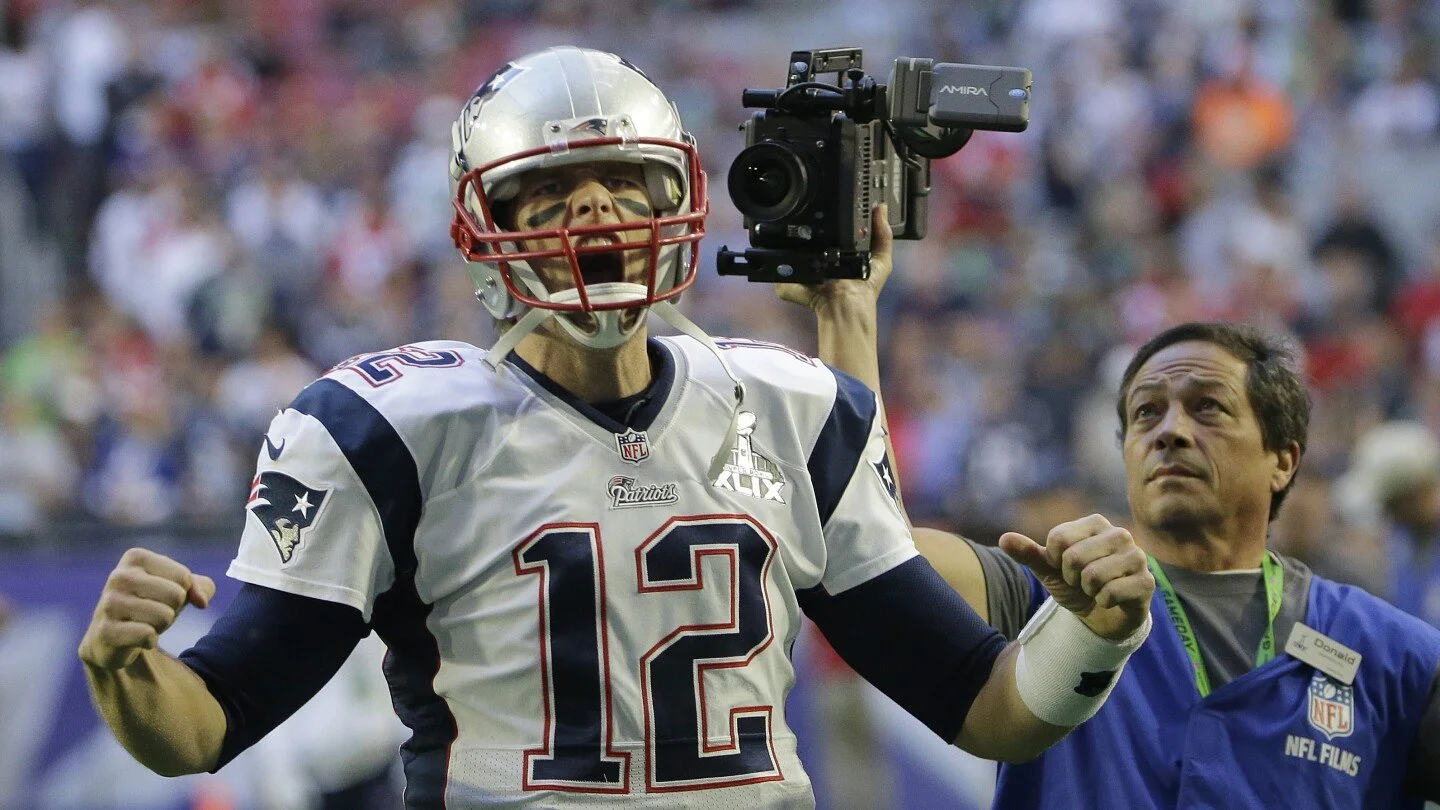
Eleven years later, with a completely different roster and coaching staff, the Seahawks exacted revenge against the same franchise. This time, there were no late-game heroics by the Patriots. Seattle dominated from start to finish, never trailing and controlling the game with suffocating defense and efficient offense.
For a franchise that experienced one of sports' most painful defeats, the redemption was complete. The confetti fell in Seahawks colors. The Lombardi Trophy returned to Seattle. And the ghosts of Super Bowl XLIX were finally exorcised.
The Defense That Dominated
While Walker won MVP honors, Seattle's defense deserved equal recognition. The unit allowed 280 points during the regular season, the fewest in the NFL. They ranked first in points allowed per game and dominated throughout the playoffs.
Against San Francisco in the divisional round, they held the 49ers to six points. Against the Rams in the NFC Championship, they forced crucial turnovers in a 31-27 victory. And in the Super Bowl, they rendered the Patriots' offense ineffective for three quarters.
Linebacker Derick Hall recorded two sacks and forced a fumble. Byron Murphy also had two sacks. Uchenna Nwosu's 45-yard interception return for a touchdown provided the exclamation point with 4:37 remaining in the fourth quarter. Cornerback Devon Witherspoon's blitzes on third down ended New England's first two possessions, setting the defensive tone early.
Defensive coordinator Aden Durde, a former Cowboys position coach, deserves credit for the gameplan execution. Under Macdonald's guidance, Durde helped orchestrate a performance that future defensive coordinators will study for years.
The defense's dominance extended beyond statistics. They consistently won the line of scrimmage, disrupted timing routes, and forced Maye into quick decisions. They held New England to 18 rushing yards per carry and created negative plays that put the Patriots behind schedule.
What This Means for Seattle's Future
The Seahawks appear built for sustained success. Their core is young, their coaching staff is innovative, and their organizational culture emphasizes accountability and excellence. Macdonald has established himself as one of the league's premier head coaches, and at 38, he has decades ahead of him.
Questions remain about personnel decisions. Walker is a free agent, and general manager John Schneider acknowledged that his Super Bowl MVP performance likely increased his market value. Cooper Kupp won his second Super Bowl ring and proved his value despite being in the later stages of his career. Offensive coordinator Klint Kubiak was hired as the Las Vegas Raiders' head coach just one day after the Super Bowl, forcing Macdonald to search for a replacement.
But the foundation is solid. Darnold showed he can win championships. The defense is stacked with young talent and savvy veterans. The offensive line is among the league's best. And the special teams units excel.
Seattle endured one of the most difficult schedules in NFL history, playing three games against the other playoff teams from the NFC West, which featured three teams with 12 or more wins. They proved they could win any style of game, from shootouts to defensive struggles.
The Seahawks' championship parade is scheduled for Wednesday along a two-mile stretch of Fourth Avenue. Fans will celebrate not just a title, but validation that their team is elite and positioned for continued success.
Super Bowl LX belonged to the Seattle Seahawks from the opening kickoff to the final whistle. They were the better team, better coached, and better prepared. Kenneth Walker III earned MVP honors with a historic rushing performance. Mike Macdonald cemented his status as a coaching prodigy. Sam Darnold completed one of the NFL's greatest redemption stories. And DeMarcus Lawrence proved that leaving Dallas was the right decision.
The Patriots, despite Mike Vrabel's impressive first-year turnaround, were exposed as a team that caught breaks due to Bo Nix's injury and was not yet ready to compete for championships. Drake Maye showed promise but needs more development and weapons around him.
For Seattle, the future is bright. They have exorcised demons, celebrated redemption, and established themselves as a powerhouse franchise. Their second Lombardi Trophy represents not just victory, but validation of everything they built during the 2025 season.
As the confetti fell at Levi's Stadium and the Seahawks hoisted the Lombardi Trophy, one truth became clear: Seattle was always the better team, and they proved it on football's biggest stage.